
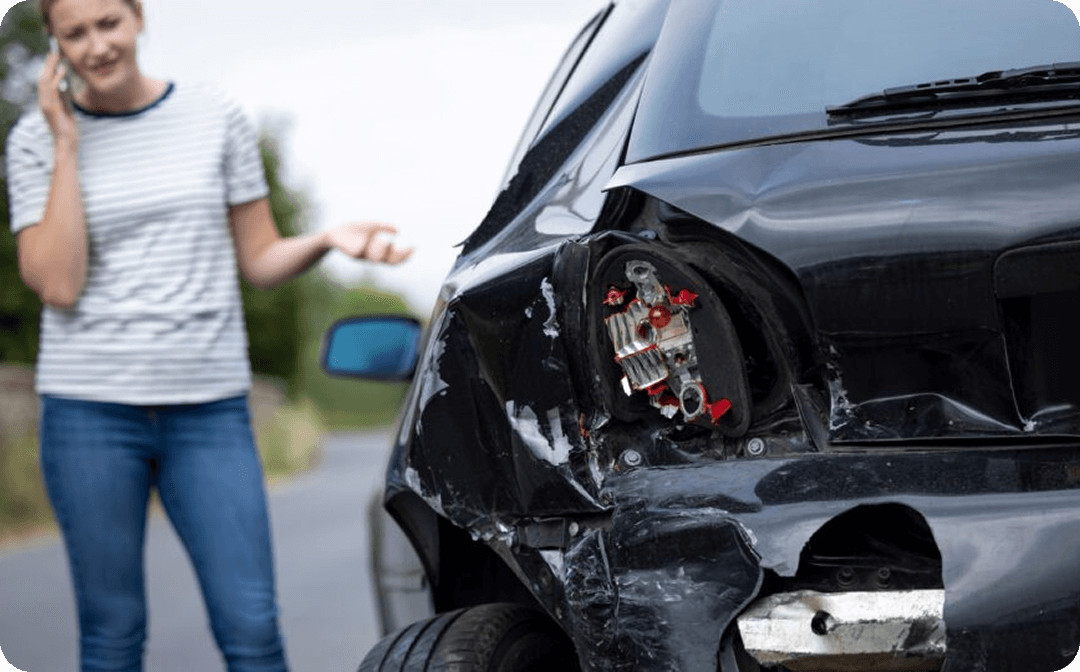
Being involved in an accident can be overwhelming. Knowing what steps to take immediately afterward can help protect your safety, your vehicle, and your insurance claim.
1. Make Sure Everyone Is Safe
Your first priority should always be safety. Check yourself and your passengers for injuries. If anyone requires medical attention, contact emergency services immediately.
Even if injuries seem minor, it is better to be cautious. Some symptoms may not be obvious right away.
2. Move to a Safe Location
If the vehicle can be driven, carefully move it out of traffic to reduce the risk of further incidents. Turn on your hazard lights and remain aware of surrounding vehicles.
If the car is not drivable, stay in a safe area away from traffic until help arrives.
4. Document the Scene
Photos and notes can be extremely helpful later. Capture images of:
- Damage to all vehicles involved
- License plates
- The overall accident area
- Traffic signs or signals
- Any visible contributing factors
If there are witnesses, you may also want to collect their contact information.
5. Exchange Information
Be sure to obtain the other driver’s:
- Name and contact details
- Insurance company
- Policy number
- Vehicle information
Keeping this organized will make communication with your insurer easier.
6. Notify Your Insurance Provider
Report the accident as soon as possible. Your insurance company will explain coverage, arrange inspections, and outline the repair authorization process.
Providing thorough documentation can help prevent delays.
7. Arrange a Professional Vehicle Inspection
Modern vehicles are built with complex structural components and safety systems. Damage is often hidden beneath the surface and may not be visible during a quick walk-around.
A certified collision repair facility has the equipment and training needed to identify structural, mechanical, and electronic issues that must be addressed before the vehicle is considered safe again.
What Many Drivers Don’t Realize
It is common to underestimate damage after what appears to be a minor impact. Misalignment, sensor disruption, or weakened structural areas can affect performance and safety long after the accident.
A complete and accurate inspection helps prevent problems from resurfacing later.
How Bodytech Collision Helps
Our team assists customers from the earliest stages of the repair journey. We perform detailed damage evaluations, communicate directly with insurance providers, and follow manufacturer-approved repair procedures.
Throughout the process, we focus on safety, quality, and clear communication so you understand what is happening with your vehicle.


